Cable electrical lines: the invisible power of energy and the core system of modern networks
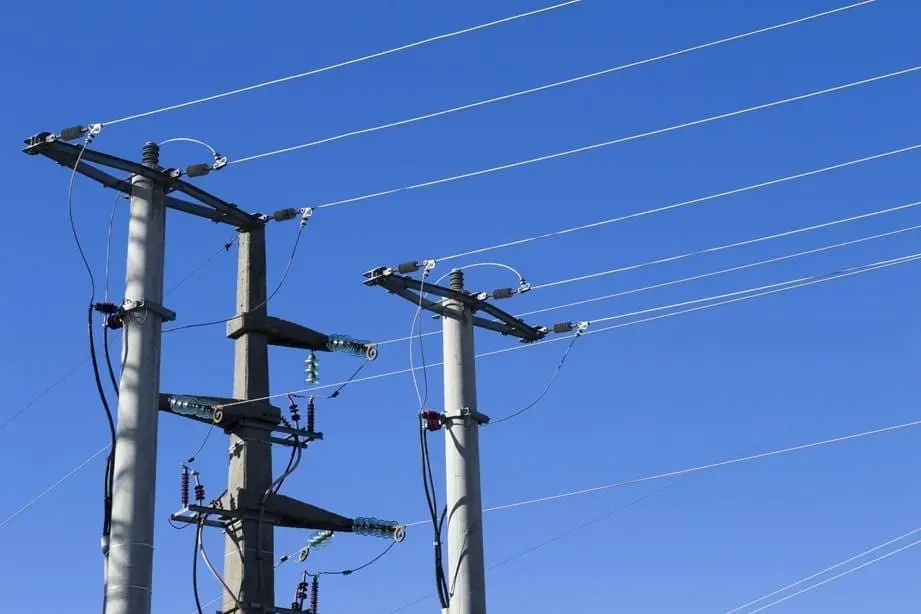
Cable power lines are an inseparable element of modern energy infrastructure. They enable the transmission of electrical energy over long distances between different points. Depending on requirements and construction characteristics, different types of power lines are used. It is worth taking a closer look at these important structures.
Core of a cable line
The core of a cable power line consists of electrical conductors, which are the main route for the flow of electric current. Most often, these are wires or strands made of copper, steel, and aluminum. These materials are characterized by high electrical conductivity, which allows efficient current flow. The conductors are surrounded by an insulation layer to prevent short circuits and ensure an appropriate level of safety and reliability of electrical cables. Depending on operating conditions, different types of insulation are used, such as rubber or plastic materials like polyethylene.
Mechanical protection
The outer layer of a cable power line is a protective covering. This layer can take various forms, such as metal, aluminum, steel tape, or plastic coating. Especially coverings made from materials with increased fire resistance are becoming increasingly popular. Mechanical protection is crucial to protect the cable line from external factors and mechanical damage caused by moisture, chemicals, or weather conditions. The protective layer also increases the level of safety when using cable power lines.
Equipment of a cable line
A cable power line also consists of accessories such as cable joints and terminations. These elements of cable lines play an important role in such structures and allow the creation of connections and cable terminations. In addition, they protect the internal part of the cable from the negative influence of external factors. Various types of cable joints and terminations are produced, such as T-type, straight-through, and internal types. Other pole elements of the line include mounting brackets (band mounting) or cable covers. Proper installation of these elements ensures that the functional properties of cables remain unchanged even during branching.
LV cable line (low voltage)
Low-voltage (LV) cable lines are used for the distribution of electrical energy in local areas and transmit energy to end consumers such as homes, companies, or enterprises. Low voltage covers a range up to 1 kilovolt (kV). LV cable lines are usually laid underground or run on poles at low height. They directly supply buildings with energy and are an important element of the final stage of distribution. The low-voltage cables used are properly insulated, for example with a polyethylene layer, and their structure is adapted to consumer requirements.
MV cable line (medium voltage)
Medium-voltage (MV) cable lines are elements of energy infrastructure that transmit electrical energy at medium voltage. This covers a range from 1 kV to 35 kV. MV cable lines are widely used in distribution networks and transmit energy from electrical substations to local distribution in urban, industrial, or rural areas. These lines can be laid underground or installed on special supports in places where traditional overhead lines need to be avoided.
HV cable line (high voltage)
HV cable power lines refer to high-voltage transmission lines used in the power system for transmitting large amounts of electrical energy over long distances. This covers a voltage range from 35 kV to 110 kV. Depending on the specific application and the needs of a given area, HV cable lines may have different characteristics and parameters. They are implemented on poles, in special overhead structures, or placed underground.
Cable power lines are complex structures, and their design depends on their purpose. Regardless of the type, individual elements of a cable line play an important role in ensuring efficient energy transmission. With the development of technology, they provide an increasing level of safety for users. As a result, electrical cables are becoming increasingly well adapted to the modern energy needs of distribution systems.