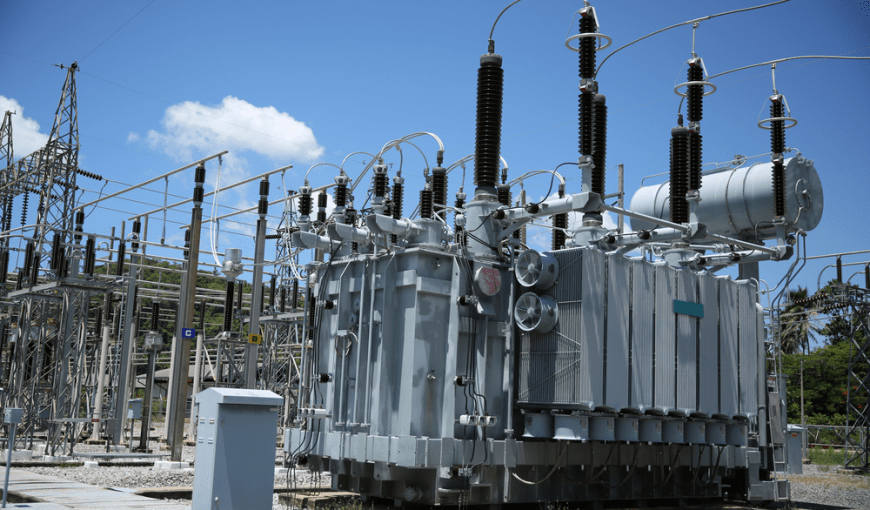
A three-phase transformer is an indispensable and essential piece of equipment in power systems used to convert voltage and current to meet the needs of various electrical devices.
To fully understand a three-phase transformer, you should first become familiar with its basic structure.
Iron Core
The iron core is the main part of the transformer, made of overlapping silicon steel laminations with high conductivity and usually shaped like E or C. Its main function is to provide a magnetic circuit with low magnetic resistance so that most of the magnetic flux is concentrated in the core, thereby increasing the efficiency of the transformer. The design and manufacturing quality of the iron core directly affect the performance and efficiency of the transformer.
2. Winding
The winding is the circuit part of the transformer, made of insulated copper or aluminum wire. A three-phase transformer has three windings corresponding to phases A, B, and C. Each winding is divided into a high-voltage winding and a low-voltage winding used to achieve voltage conversion. Proper insulation must be maintained between the windings and between the windings and the iron core to prevent faults such as short circuits or leakage.
3. Oil Tank
The oil tank is a component that stores transformer oil and supports the iron core and windings. Transformer oil has good insulation and heat dissipation properties, which effectively protect the core and windings from moisture and corrosion and help dissipate heat to ensure that the transformer maintains a stable operating temperature during long-term operation.
4. Other Accessories
In addition to the main components mentioned above, a three-phase transformer also includes accessories such as tap changers, thermometers, and desiccants. These accessories play an important auxiliary role in the operation of the transformer. For example, the tap changer can adjust the output voltage, the thermometer is used to monitor the operating temperature of the transformer, and the desiccant is used to absorb and remove moisture from the oil tank to keep the interior of the transformer dry.
Troubleshooting of a Three-Phase Transformer
To ensure safe and reliable operation of the transformer, necessary inspections and tests should be carried out before operation, strict monitoring and regular maintenance should be performed during operation, and any abnormalities in the transformer’s performance should be detected and resolved in a timely manner.
Before commissioning, new and overhauled transformers should be carefully checked to ensure that the oil level in the oil conservator is normal, the desiccant is not moist, the safety air passage is intact, the tap changer position is normal, the cooling system is complete, the control circuit is functioning properly, and the grounding device is intact; special attention should be paid to measuring insulation resistance, absorption ratio, and determining the connection group during testing; during operation monitoring, particular attention should be given to ensuring that the transformer's physical parameters remain within the rated range.
The most common faults during transformer operation include winding faults, core faults, and partial faults such as bushings and tap changers; the cause should be identified based on the fault symptoms and appropriate corrective measures should be applied.
Conclusion
In conclusion, three-phase transformers are key equipment for the reliable operation of power systems and require proper selection and installation. Our company offers high-quality transformers that meet modern standards, along with professional installation services. Our experienced specialists prioritize safety and efficiency in every project. At the same time, we also provide maintenance services and prompt troubleshooting solutions.