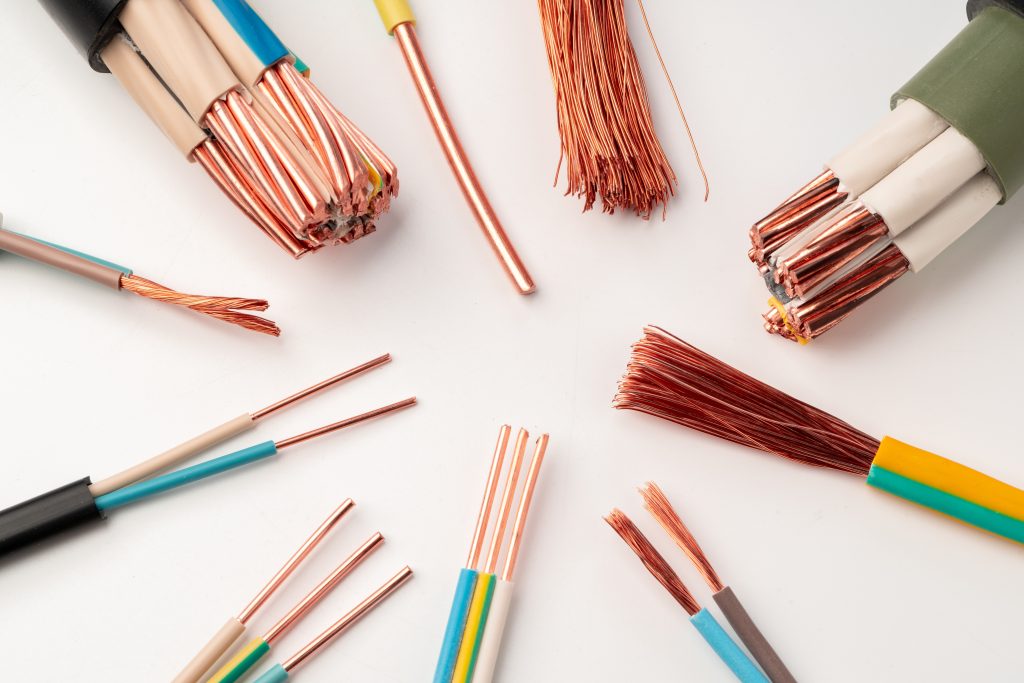
Whether you are wiring a home, upgrading industrial equipment, or carrying out a DIY project, understanding the characteristics of cables and wires — such as 10/3 wire, 4/0 aluminum wire, or bare wire options — can make all the difference.
This guide explores the key factors to consider when selecting electrical wires and cables, helping you match your choice to your application’s requirements while prioritizing safety and performance.
Why Choosing the Right Electrical Wire and Cable Matters
Electrical wires and cables serve as the backbone of any electrical system, transmitting power from one point to another. Using the wrong type can lead to inefficiency, overheating, and even fire hazards. Voltage rating, insulation material, and temperature resistance play a crucial role in determining whether cables and wires meet your needs. By understanding these elements, you can select products such as 10/3 wire or bare wire cables that meet safety standards and perform reliably.
Key Factors to Consider When Choosing Wires and Cables
To choose the right electrical wire and cable, evaluate the following factors based on your project’s specific requirements.
1. Understand Voltage Rating
The voltage rating of cables and wires indicates the maximum voltage they can safely handle. For example, 10/3 wire, commonly used for heavy appliances like dryers or ovens, typically has a 600V rating and is designed for 30-amp circuits. In contrast, 4/0 aluminum wire is often used for high-power applications such as service entrance cables and is rated appropriately for 200-amp services.
Always check your application requirements to ensure the wire’s voltage rating matches or exceeds system needs. Using a wire with an insufficient rating can cause overheating or failure, while over-specifying may unnecessarily increase costs.
2. Choose the Right Insulation Material
Insulation material protects electrical wires and cables from environmental factors such as moisture, heat, or chemicals. Common insulation types include:
Thermoplastic insulation: Found in 10/3 wire, this material is flexible, cost-effective, and suitable for general indoor use.
Thermoset insulation: Offers better resistance to high temperatures and is ideal for outdoor or industrial applications.
Rubber or silicone: Used in environments requiring flexibility and high temperature tolerance.
For outdoor or underground installations, choose cables and wires with UV-resistant or waterproof insulation. If your project involves extreme heat, such as near ovens, select high-temperature insulation to ensure longevity.
3. Consider the Conductor Type
The conductor is the metal core of electrical wires and cables that carries current. Common conductor materials include copper and aluminum, each with distinct properties:
Copper: Highly conductive, flexible, and corrosion-resistant, making it ideal for 10/3 wire and most residential applications.
Aluminum: Lightweight and cost-effective, used in 4/0 aluminum wire for high-power, long-distance runs such as service entrances.
Bare conductor: Often made of copper or aluminum, these uninsulated wires are used in grounding systems or overhead power lines where insulation is not required.
Choose a bare conductor for grounding or specific industrial applications, but ensure it is installed safely to avoid accidental contact. For general wiring, insulated cables and wires like 10/3 wire are safer and more versatile.
4. Pay Attention to Wire Gauge and Size
10/3 wire: A 10-gauge wire with three conductors (plus ground), suitable for powering appliances on 30-amp circuits.
4/0 aluminum wire: A thicker wire used for 200-amp services or heavy industrial loads.
Match the wire size to your circuit’s amperage and length. Longer runs require thicker wires to minimize voltage drop. Consult a professional to ensure compliance with your application’s requirements.
5. Use Color-Coded Wires for Safety
Color-coded insulation makes installation easier and improves safety by indicating the wire’s purpose. Standard color codes in the U.S. include:
Black and Brown: Used to carry power within the system. Commonly seen in outlets, these colors deliver electricity to switches. They have a single-phase conductor structure.
Yellow and Green: These colors symbolize greater stability. Grounding wires are identified by yellow and green. Avoid using these colors for other connections. They are associated with metal components in electrical installations and are often seen in outlets and devices.
Blue: Serves as the neutral conductor. It carries negative flow in areas such as outlets and chandeliers.
Red: Commonly appears in 220V systems and is used for phase conductors.
6. Evaluate Environmental Conditions
The environment where cables and wires are installed affects your choice. Consider factors such as:
High temperature: Use thermoplastic insulation or thermoset materials designed for heat exposure.
Moisture: Choose waterproof-insulated cables for outdoor or damp locations.
Physical stress: Select electrical wires and cables with durable jackets for areas prone to abrasion or impact.
For example, 4/0 aluminum wires used in outdoor service entrances often feature weather-resistant insulation, while bare wire cables may be suitable for overhead lines.
7. Match Wires to the Application
Different projects have unique requirements. Common scenarios and recommended cables and wires include:
Residential wiring: 10/3 wire is ideal for heavy household appliances, while 12/2 or 14/2 wires are suitable for lighting and outlets.
Service entrances: 4/0 aluminum wire is commonly used for high-amperage connections to the main panel.
Grounding: Bare conductor cables are effective for grounding rods or systems.
Industrial settings: Choose electrical wires and cables with robust insulation for high-power machinery or high-temperature environments.
Always verify load requirements, circuit length, and local codes before selecting cables and wires.
Safety Tips for Selecting and Installing Wires and Cables
Consult a professional: If unsure, hire a licensed electrician to select and install electrical wires and cables.
Follow codes: Adhere to NEC and local regulations for safe installation.
Avoid overloading: Ensure wire size and voltage rating match circuit requirements.
Inspect regularly: Check cables and wires for wear, especially in high-temperature or outdoor environments.
Conclusion
Choosing the right electrical wire and cable requires careful consideration of voltage rating, insulation material, conductor type, and environmental factors. By matching cables and wires to your application’s requirements, you ensure safety, efficiency, and compliance with electrical standards. Understanding color-coded systems, high-temperature resistance, and thermoplastic insulation enables informed decisions for any project, whether residential, commercial, or industrial.